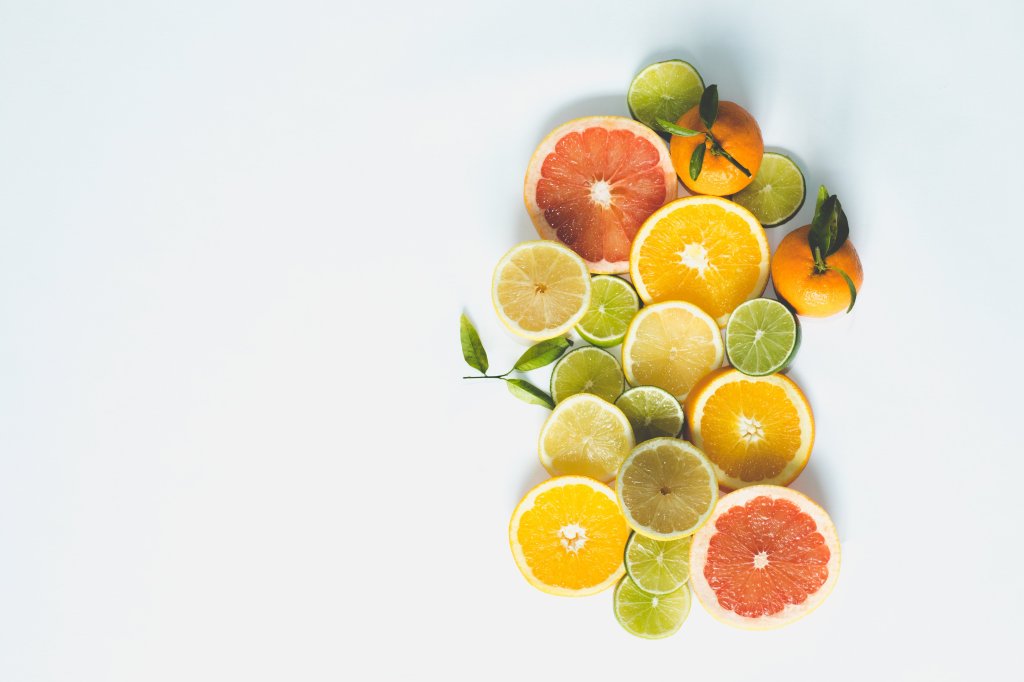
We all know that foods high in vitamin C are useful for warding off cold and flu. But are you aware that Vitamin C is utilized in the production of muscle, cartilage, bone collagen, and blood vessels? Plus, being that Vitamin C is being used in large quantities to fight Covid-19, this is one vitamin that you don’t want to skip. While nobody has immunity to Covid-19, it wouldn’t hurt to up your C intake for the time being.
It’s common knowledge that oranges are high in vitamin C, with 51 mg in one small orange, but a did you know that a small grapefruit can contain 68 mg of vitamin C? A single grapefruit, tossed into your morning smoothie can give you over 80-100% of your daily recommended intake of Vitamin C. The recommended dose, on the low end is 65-90 mg, depending on your size. If you are aiming to ward off colds and viruses, though, your intake needs to be much, much higher. Closer to 1500mg. Of course you can take one of the many, kinda pricey, Vitamin C boosting products on the market, and you probably should during flu season, but how do you keep your levels up for an extended period of time with out resorting to daily Vitamin C packets? You add it into your diet of course. How to do that? Regularly eat these foods, throughout the day:
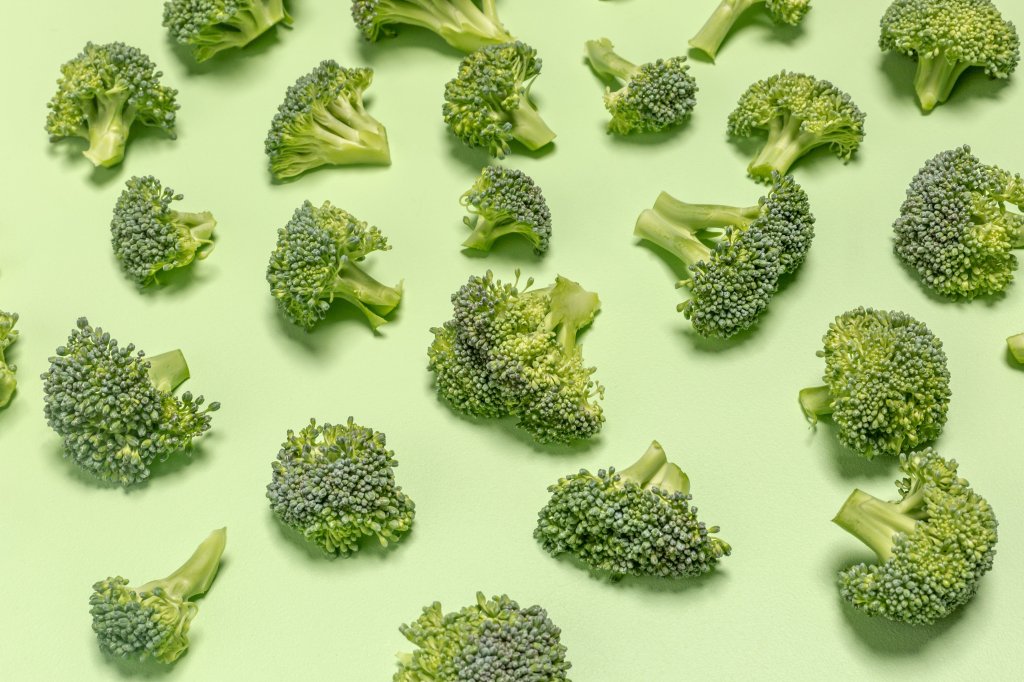
Broccoli
One cup of chopped broccoli contains a whopping 81 mg. of vitamin C. The bad news is that cooking it reduces the vitamin content. If you can’t stand to eat it raw, choose gentle steaming. This reduces the vitamin content by only 9-15%. Add raw broccoli into your smoothies and salads. Steamed broccoli makes a great side dish to almost every meal.
Cantaloupe
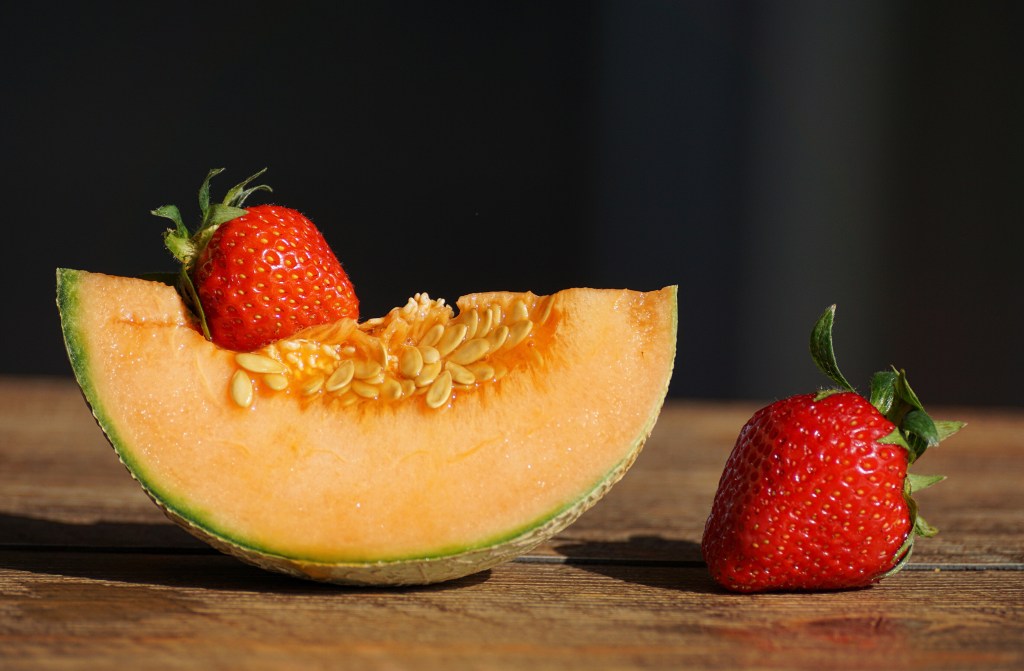
One cup of cubed cantaloupe has 58 mg of Vitamin C. It’s also loaded with vitamins A & K, beta carotene, potassium, folate, and fiber. Cantaloupe can be served lightly grilled, fresh, cubed in a salad, or added to your morning smoothie. It is delicious alongside strawberries, and blueberries, for a simple breakfast, with yogurt, or even wheat toast.
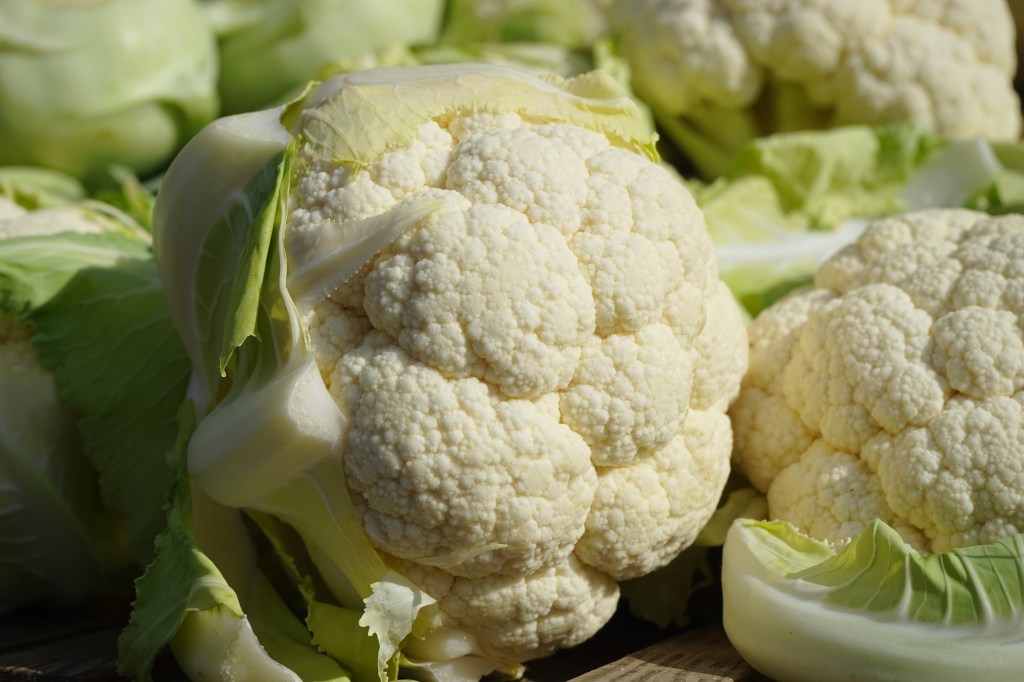
Cauliflower
Some people love it, some people hate it. It’s the only vegetable that I struggle to eat. I do eat it, but I don’t love it. This is unfortunate, because cauliflower has 51 mg of C per 1 cup serving. I prefer it raw, with hummus, or on a flatbread, mixed with other, hopefully overpowering, vegetables that I do like. Some people love to mix it in with mashed potatoes, or rice it, make dough with it. This is one health trend that I can not get on board with, but for those of you who can, it’s a great way to add loads of Vitamin C to your diet. You go.
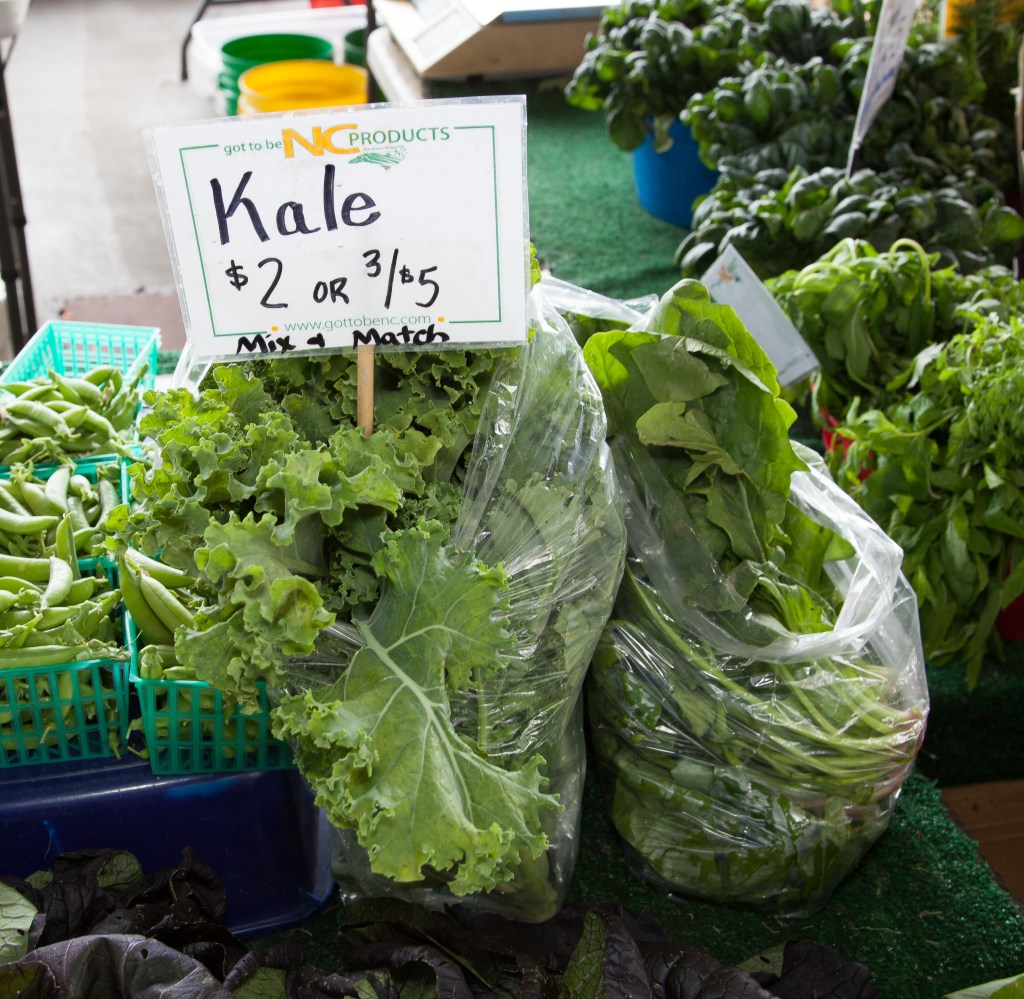
Kale
Kale is a leafy green that I could eat for every meal, and do for many. It goes in my smoothies, in my salads, in soups and stews, on sammies, in falafels; anywhere that I can add it in. It can even be made into chips (sort of). 1 cup of Kale has 80 mg of Vitamin C. Take that, Cauliflower. There are many types of Kale to choose from. Curly kale is best for general cooking, and making chips, for snacking. Red kale is great for smoothies and salads, Tuscan kale is also great for salads and cooking. It’s leaves are less bulky, therefore easier to eat in salads, and it’s higher tannin-like flavor lessens when cooked. Redbor Kale has a gorgeous deep purple color, but eating it raw could bother your stomach, so it’s best, and most delicious simmered for hours, in soups and stews.
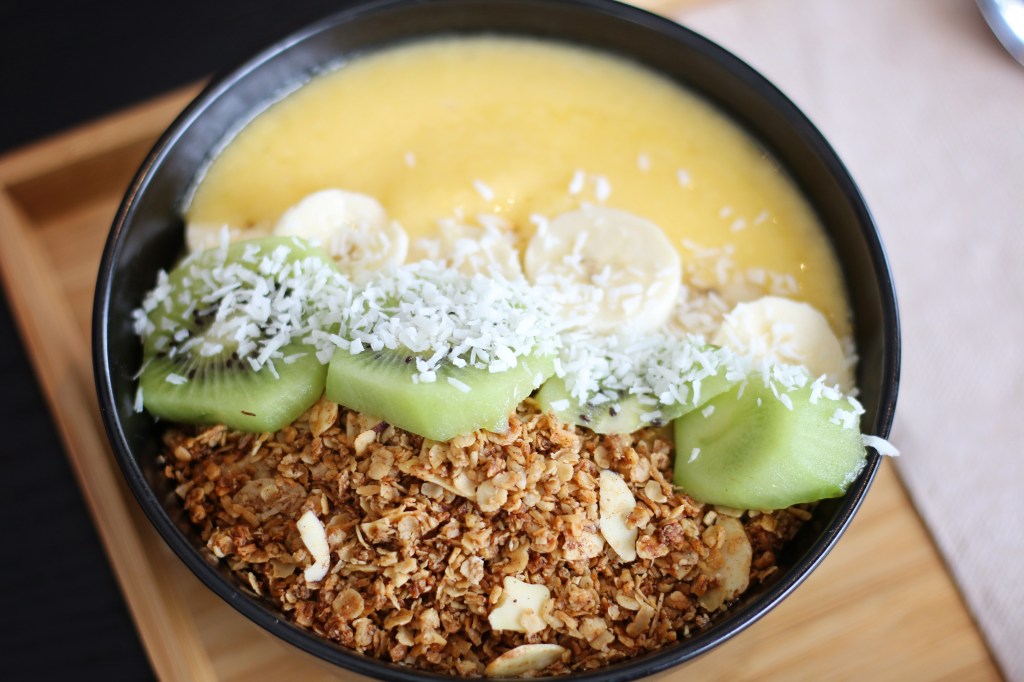
Kiwi
One small kiwi contains 64 mg of Vitamin C. Add it to your morning cereal, smoothies, or smoothie bowls, for a great C laden start to your day. Kiwi is also great with various greens and fruity dressing for a light healthy lunch. I also love to serve it in a fruit salad, next to tilapia, or other mild tasting whitefish, for dinner.
Other great Vitamin C filled additions to your diet are citrus fruits, such as oranges, lemons, limes and grapefruit, strawberries, & papaya.